Wondering if downtown Knoxville can really support a walkable lifestyle day to day, not just on a fun Saturday afternoon? If you are thinking about buying in the city core, you need more than a quick tour of Market Square. You need to understand how the districts feel, what housing options exist, how parking works, and where the real tradeoffs show up. Let’s dive in.
Why walkable living stands out downtown
Downtown Knoxville is a compact district of less than one square mile, and the Downtown Knoxville district guide identifies it as the city’s most walkable neighborhood. For you as a buyer, that matters because everyday errands, dining, events, and entertainment can be much closer together than in many other parts of Knoxville.
That said, downtown is not one uniform experience. The district is organized into distinct areas, which gives you options if you want to be in the middle of activity or a little closer to a quieter edge. Choosing the right block can be just as important as choosing the right building.
How downtown districts feel
Market Square lifestyle
Market Square is the core for food, errands, and public activity. According to Downtown Knoxville’s guide to the district, the area includes restaurants, retail, farmers markets, festivals, concerts, and seasonal ice skating.
If you want to step outside and quickly reach coffee shops, dining, and regular public events, this area may feel very convenient. If you prefer a calmer daily rhythm, it is smart to think carefully about building location, street exposure, and how close you want to be to the square itself.
Old City atmosphere
Old City is most associated with nightlife and the creative scene. The Old City guide describes it as a hub for artists, makers, and designers during the day and an entertainment destination at night, with restored Victorian buildings, galleries, shops, coffee, and dining.
For some buyers, that energy is the draw. For others, it may mean you should look at nearby locations that still keep you within walking distance without placing you in the busiest late-night blocks.
Gay Street access
Gay Street is one of downtown’s main cultural corridors. Downtown Knoxville highlights its preserved architecture, theaters, and the monthly First Friday ArtWalk that connects toward Market Square.
If arts and entertainment are a big part of your routine, Gay Street can offer strong proximity to venues and events. It is also an area where activity levels can vary by time of day, day of week, and event schedule.
What homes look like downtown
Downtown Knoxville’s own living guides note more than 50 residential properties and room for over 4,000 residents, with housing that ranges from historic loft and condo conversions to newer apartment and townhome-style projects. You can explore that overview in the Top Reasons to Live in Downtown Knoxville guide.
For you as a buyer, that means downtown does not offer only one kind of living. Your best fit depends on how much character, convenience, privacy, and onsite parking matter to your routine.
Historic lofts and conversions
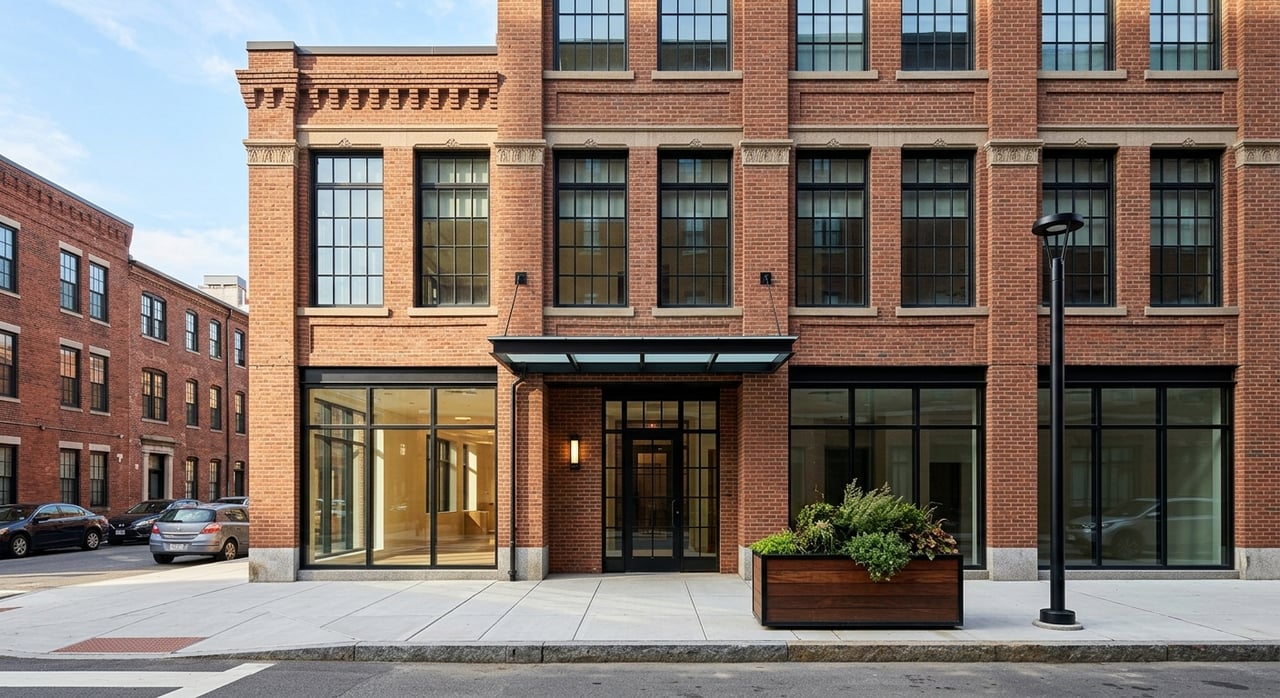
Historic conversions are the classic downtown option. Downtown Knoxville points to renovated buildings such as JFG Flats, Candy Factory Lofts, and JC Penney Lofts, many with features like exposed brick, stained concrete, high ceilings, and vintage beams.
If you love urban character and a one-of-a-kind interior feel, this category may be especially appealing. These homes often deliver the architectural charm many buyers picture when they imagine downtown living.
Newer condos and townhomes
Newer downtown housing often leans more toward amenities and built-in convenience. Examples featured by Downtown Knoxville include Marble Alley Lofts, Stockyard Lofts, The Overlook, and City House, with features such as onsite parking, retail space, garages, elevators, and rooftop decks.
If your priority is easier day-to-day logistics, newer product may feel more straightforward. In some buildings, parking availability can be a major advantage over older conversions.
How to match housing to your routine
Before you fall in love with finishes or views, think about how you want your week to function. Walkable living works best when your home supports your real habits, not just your idealized weekend plans.
Ask yourself questions like these:
- Do you want to walk to restaurants and events several times a week?
- Are you comfortable with more street activity outside your building?
- Is dedicated parking a must-have?
- Would you rather have historic character or newer amenities?
- Do you want to be close to the action, or just close enough?
For buyers who want access to Market Square and the Old City without being in the busiest blocks, edge locations may offer a better balance. Downtown Knoxville notes that City House is within walking distance of Market Square, the Old City, and the central business district while also being relatively quiet, and Stockyard Lofts also emphasizes easy walkability to Gay Street and Market Square.
Condo and HOA essentials
If you are buying a downtown condo, the homeowners association is a major part of your decision. It is not just a monthly fee. It shapes your ownership costs, your building experience, and sometimes even your financing path.
Fannie Mae’s HOA guidance says fees can vary based on location, age, condition, property value, and amenities. The same guidance recommends reviewing governing documents, reserve funds, special assessments, modification rules, and insurance coverage before closing.
Questions to ask before you buy
Fannie Mae’s condo buying guidance highlights several practical questions that matter in downtown purchases:
- What is included in the HOA fee?
- Is parking included, deeded, or assigned?
- How large is the reserve fund?
- Have there been special assessments?
- What does the master insurance policy cover?
- Are there restrictions on rentals or property modifications?
These questions can be especially important when comparing historic loft buildings with newer construction. The building style may be very different, but so can the maintenance profile, reserve planning, and ownership rules.
Financing and warrantability
A lender may also review a condo project’s physical condition, financial stability, inspection status, lawsuits, and debts tied to structural integrity. Those factors can affect whether a building is considered warrantable.
This is one reason due diligence matters so much in a downtown market with both older conversions and newer product. As your buyer representative, a clear, organized review process can help you avoid surprises and move forward with more confidence.
Parking and getting around
Walkable does not always mean car-free. Many downtown buyers still want a car for regional errands, travel, or visiting other parts of Knoxville, so parking should be part of your home search from day one.
According to Downtown Knoxville’s parking and transportation page, many residential properties offer dedicated parking. If your building does not, residents may qualify for half-price parking in several city garages with proof of residency.
What parking really looks like
The City of Knoxville parking page lists garages and lots including Market Square, Locust Street, State Street, Main Avenue, Jackson Avenue, and Old City South. The city also notes that garages are typically free on weeknights after 6 p.m. and on weekends, with Market Square Garage charging a $3 flat rate on Saturdays. Special event parking rates may apply.
On-street parking uses ParkMobile, and the city says there are more than 60 free 15-minute Stop-and-Go spaces downtown and in the Cumberland District. That can be helpful for quick errands, but it does not replace the value of knowing exactly where you will park as an owner.
Car-light options
Downtown is also set up for car-light living. Downtown Knoxville says the free KAT trolley has more than 60 pickup points and typically runs with 3-to-7-minute waits depending on route, and the area also includes bike racks, scooters, e-bikes, and car rental options.
If you are relocating from a place where you drive everywhere, this can be a meaningful lifestyle shift. For many buyers, that convenience is part of the appeal of living downtown in the first place.
Noise, events, and daily tradeoffs
One of the biggest buyer essentials is understanding downtown’s event rhythm. Downtown Knoxville says events and festivals happen on more than 150 days each year, and Market Square’s itinerary page makes clear that public activity is a regular part of the area’s identity.
That can be exciting if you want a lively, connected environment. It can also mean more noise, more foot traffic, and a different parking experience on event days.
Game day considerations
Football weekends are another factor to weigh. The City of Knoxville notes that UT game days affect downtown parking and circulation, and Downtown Knoxville’s district information also highlights Vol Navy activity at Volunteer Landing on home football weekends.
If peace and predictability are important to you, think carefully about floor level, window orientation, and proximity to busy venues or event routes. Those details can shape your day-to-day comfort as much as square footage or finishes.
When nearby urban areas may fit better
Downtown Knoxville is often the strongest choice if you want true car-light living and immediate access to dining, arts, and public events. But it is not the only option if you are looking for an urban feel.
The research also points to nearby areas such as Fort Sanders, the UT area, and Fourth & Gill as alternatives with walkable characteristics and a different balance of activity and residential calm. For some buyers, those locations may better match their lifestyle if they want urban access without the same level of nightlife or event intensity.
How to buy with confidence downtown
A smart downtown purchase starts with honest priorities. You will usually make the best decision when you define your must-haves early, especially around walkability, noise level, parking, building style, and HOA structure.
That is where expert local guidance can make a real difference, particularly if you are relocating from out of state or trying to evaluate properties remotely. With a concierge approach and clear education at each step, Liza Bryan Acheson can help you compare buildings, understand the tradeoffs, and move forward with confidence.
FAQs
What makes Downtown Knoxville walkable for homebuyers?
- Downtown Knoxville is less than one square mile, and the downtown district guide identifies it as the city’s most walkable neighborhood, with close access to dining, retail, events, and cultural destinations.
What types of homes are available in Downtown Knoxville?
- Downtown housing includes historic loft and condo conversions, newer apartment-style buildings, condominiums, and townhome-style projects, giving you options based on character, amenities, and parking needs.
What should condo buyers review in a Downtown Knoxville HOA?
- Condo buyers should review what the fee includes, reserve funds, special assessments, parking arrangements, modification rules, rental restrictions, and master insurance coverage.
How does parking work for Downtown Knoxville residents?
- Many residential properties offer dedicated parking, and residents without building parking may qualify for half-price parking in several city garages with proof of residency.
What should buyers know about Downtown Knoxville noise and events?
- Downtown has regular public activity, nightlife, and more than 150 event days each year, so buyers should pay attention to building location, floor level, and proximity to venues when evaluating daily livability.