If your Bearden or Sequoyah Hills home has charm, history, and great bones, that is a strong start. But in today’s Knoxville-area market, character alone is not always enough to win buyers over. You need your home to feel cared for, easy to maintain, and ready for the next chapter. This is especially true in neighborhoods where original details matter and first impressions carry weight. Let’s look at how to prepare your home in a way that protects its identity while making it more appealing to today’s buyer.
Why presentation matters now
As of spring 2026, Knoxville is operating in a balanced market. Realtor.com reported a median listing price of $425,000, with homes selling about 1.01% below asking on average, while Zillow showed Knox County inventory above 2,200 homes for sale and a median days-to-pending figure of 18. FRED’s Knox County median days on market series showed 45 days in April 2026.
What that means for you is simple. Buyers have options, and they are paying close attention to condition. In older neighborhoods like Bearden and Sequoyah Hills, your home is not just competing on location and charm. It is also competing on how easy it looks to own, maintain, and move into.
Know what makes these neighborhoods special
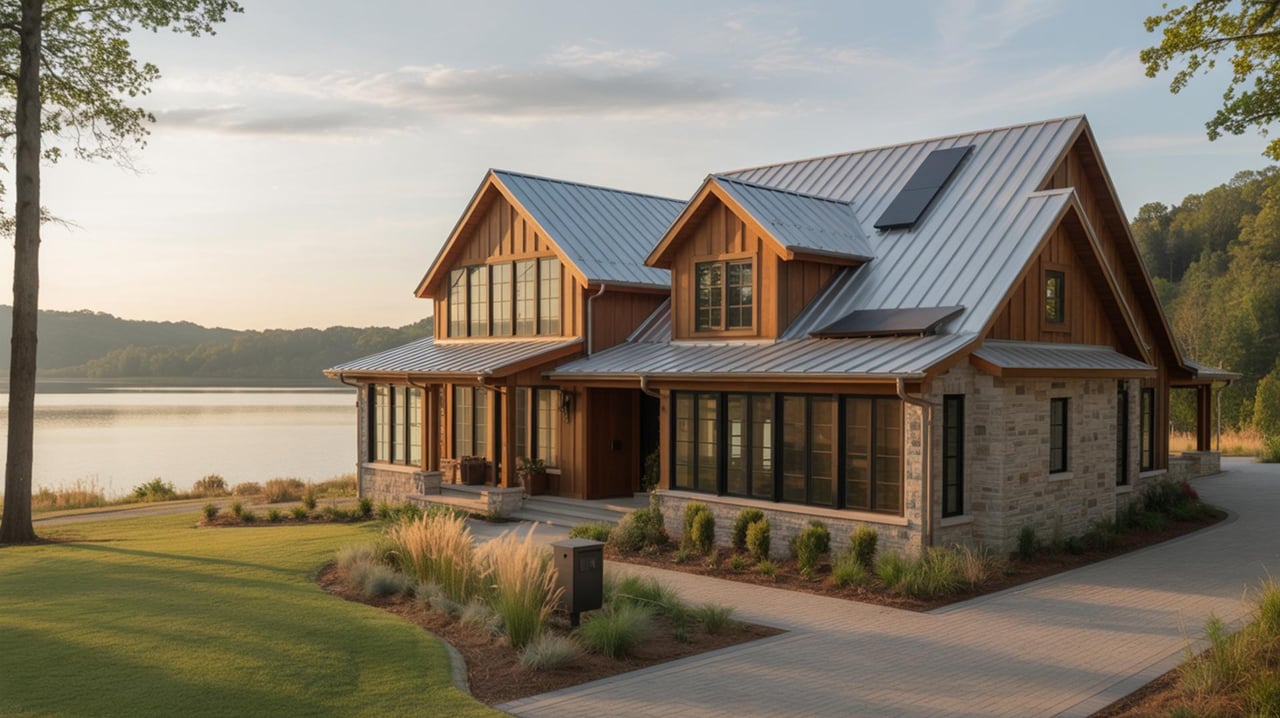
Bearden has a varied residential pattern, with apartments, condos, starter homes, and higher-priced homes. Sequoyah Hills is known for its long history, larger lots, curving streets, mature trees, and homes with deep setbacks near the Tennessee River.
That neighborhood context matters when you prepare to sell. Buyers are often drawn to these areas because they feel established and distinctive. The goal is usually not to erase that character. The goal is to present it clearly and show that it has been well maintained.
Check for historic or conservation overlays first
Before you make exterior changes, confirm whether your property is in a local historic or neighborhood conservation overlay. Knoxville-Knox County Planning says Historic Zoning Commissions review certain changes in designated overlays, including alterations, demolition, relocation, and new construction.
This matters for common pre-listing projects like windows, doors, decks, additions, and garages. A National Register listing alone does not automatically trigger private review, so it is important to confirm the specific status of your parcel first. That one step can help you avoid delays, added expense, or changes that do not fit local guidelines.
Preserve charm, modernize presentation
This is the best approach for many Bearden and Sequoyah Hills homes. Buyers respond to homes that feel fresh, bright, and functional, but these neighborhoods often reward restraint rather than a full visual reset.
Research from the 2025 Profile of Home Staging found that 83% of buyers’ agents said staging makes it easier for buyers to visualize a future home. The 2025 Remodeling Impact Report also found that 46% of buyers are less willing to compromise on home condition. Put those two findings together, and the message is clear: visible, thoughtful improvements can matter more than a major overhaul.
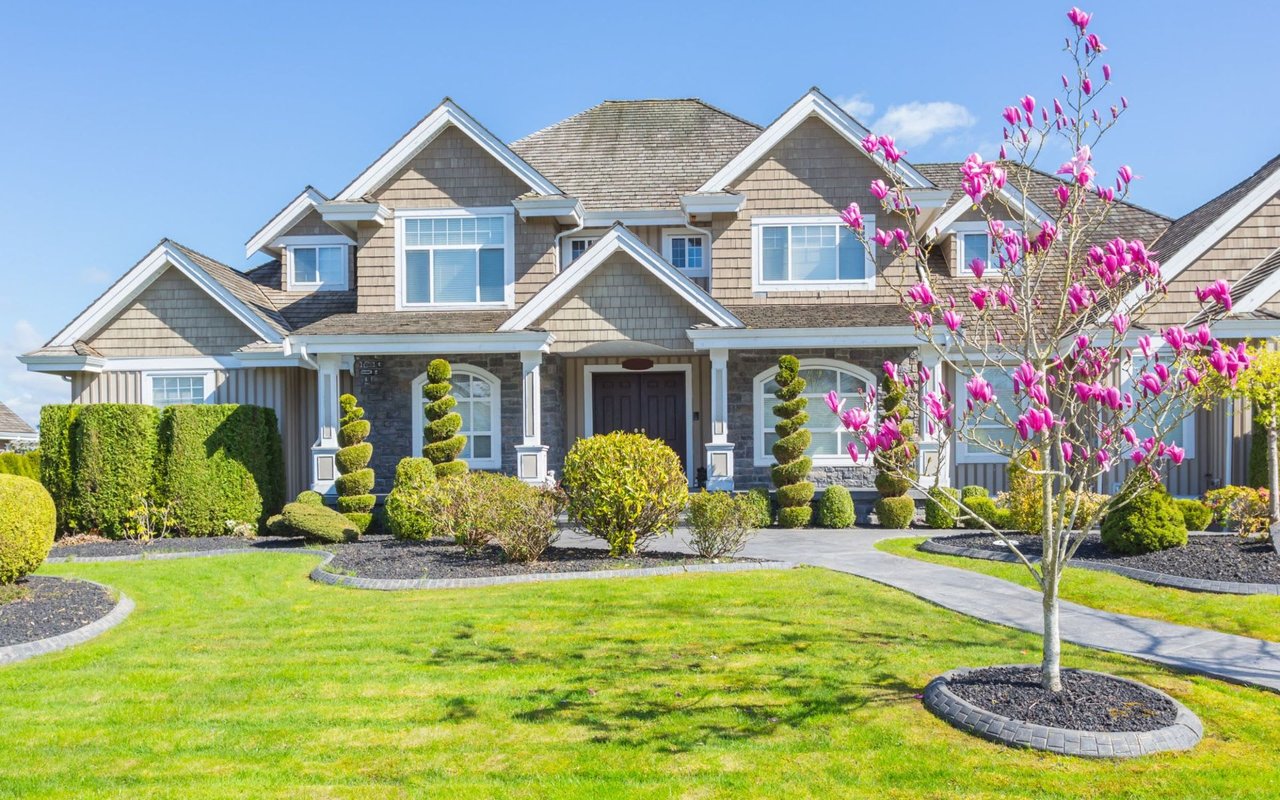
Start with curb appeal
Your exterior should look maintained and compatible with the street. In areas like Scenic Drive, local guidelines emphasize minimizing front-yard pavement, discouraging chain-link fencing in front of the house, and treating mature landscaping as part of neighborhood identity.
That makes curb appeal in these neighborhoods a little different from a standard checklist. You do not want to over-harden the front yard or add features that fight the home’s original look. Instead, focus on neatness, healthy landscaping, clean edges, and an entry that feels inviting.
Exterior updates that help most
NAR’s remodeling findings point to practical exterior projects buyers notice, including painting, roofing, and front-door updates. For a character home, the key is to refresh these elements in a way that fits the style of the house.
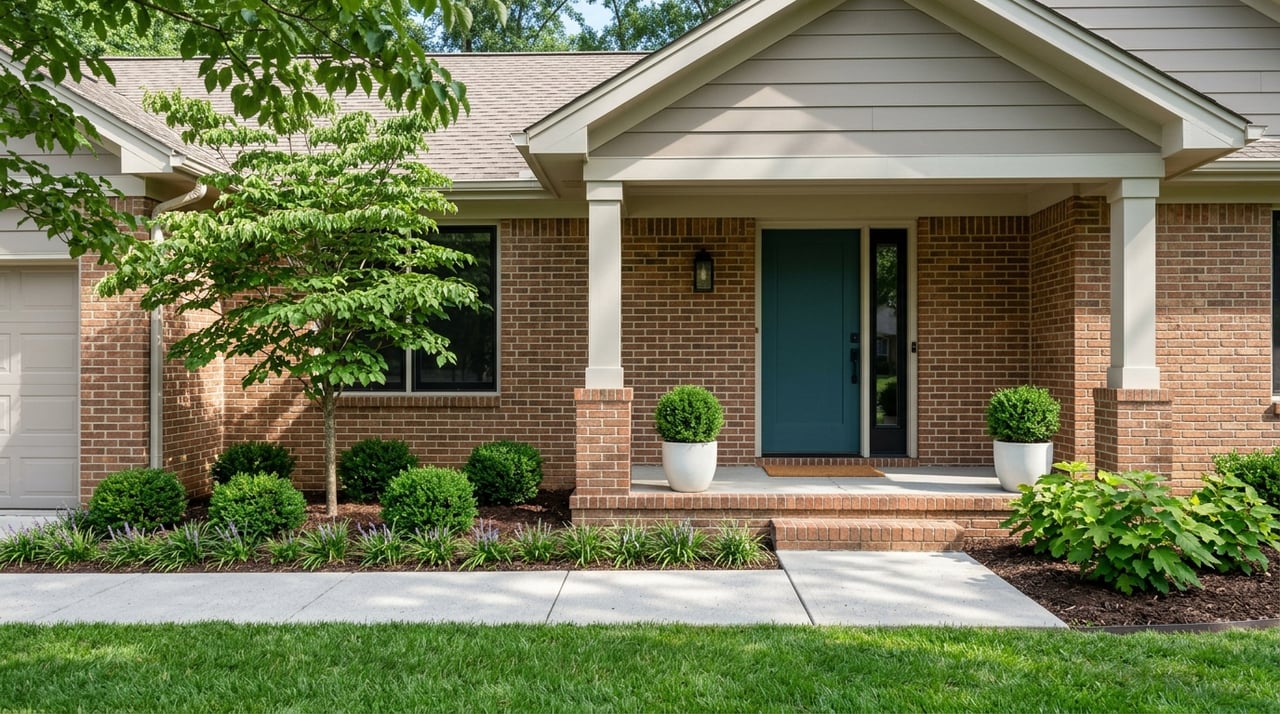
A clean front door, a well-maintained roofline, trimmed shrubs, and a tidy walkway can go a long way. If mature trees are part of your setting, keeping them healthy and visually framing the home can reinforce the neighborhood feel buyers want.
What to avoid outside
Some changes can hurt more than help. Local design guidance suggests avoiding too much front-yard paving, unnecessary front fencing, or exterior changes that make the home feel visually out of place.
In other words, aim for polished, not overdone. The best first impression is usually a home that looks cared for and naturally belongs on the street.
Stage the rooms buyers notice first
If you are deciding where to focus your energy, start with the rooms that shape buyer emotion and online photos. According to NAR, the living room is the most important room to stage, followed by the primary bedroom and kitchen. Dining rooms are also commonly staged.
For older homes, this matters even more. Good staging helps buyers notice the right things, like original trim, built-ins, mantels, window proportions, and room flow, instead of focusing on clutter or outdated decor.
Living room priorities
Keep the living room simple and open. Remove extra furniture, personal collections, and anything that blocks natural sightlines.
This room should feel bright and easy to understand. If your home has a fireplace, built-ins, or original millwork, let those details lead. The more clearly buyers can see the room’s architecture, the stronger your presentation will be.
Primary bedroom priorities
The primary bedroom should feel restful and spacious. Use clean bedding, reduce furniture if needed, and clear off surfaces so the room feels calm.
This is not about making the room look generic. It is about helping buyers picture themselves living there without distractions.
Dining room priorities
If you have a formal dining room, treat it as a feature, not a storage area. A simple table setting, balanced lighting, and open walking space can help define the room.
In homes with traditional layouts, a staged dining room helps buyers understand how the home lives. That can be especially useful when they are comparing older homes with newer floor plans.
Refresh kitchens and baths wisely
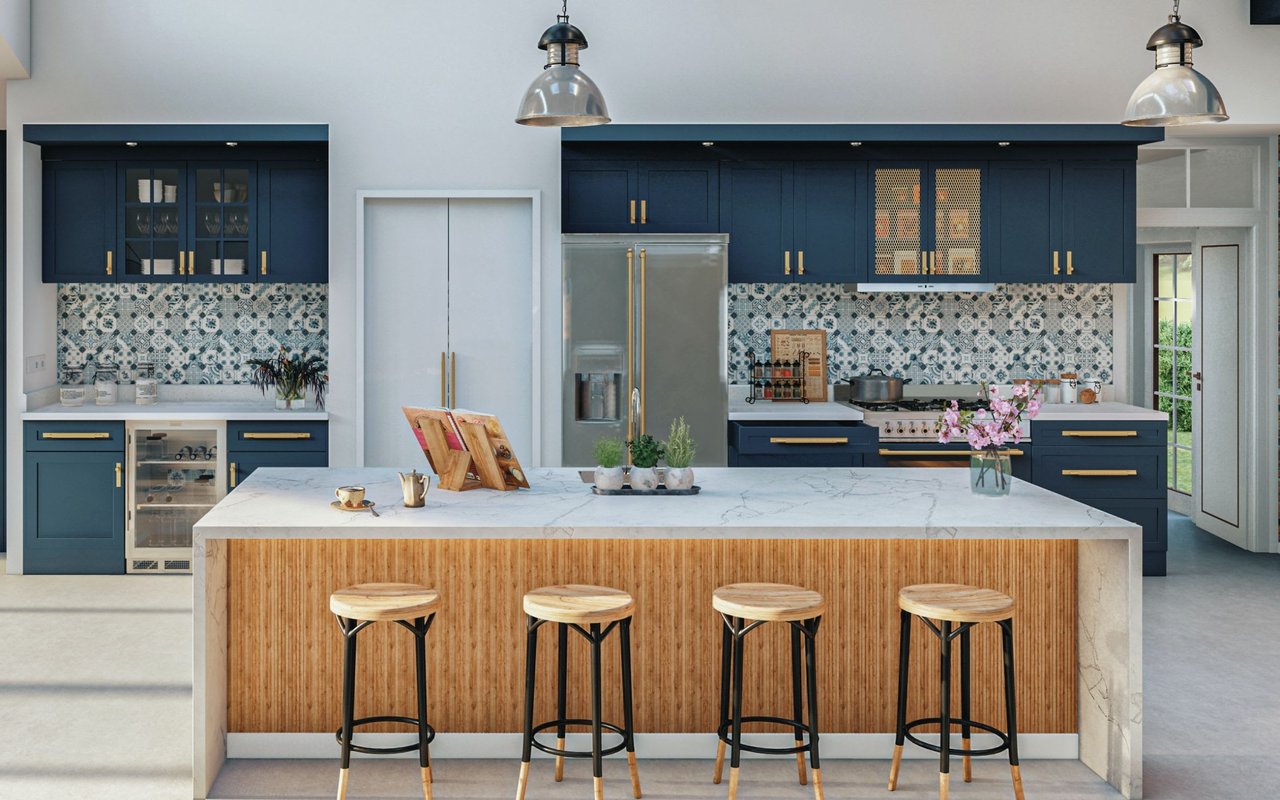
You do not always need a full renovation to improve buyer response. NAR identified kitchen upgrades as one of the strongest-demand projects, but practical pre-listing improvements often come down to visible details.
In the kitchen, focus on clean counters, better lighting, fresh paint where appropriate, updated hardware, and repairing worn surfaces that catch the eye. In bathrooms, buyers tend to notice grout, caulk, mirrors, fixtures, and lighting very quickly.
Small changes with strong impact
If your kitchen or bath feels dated but functional, think in layers:
- Deep cleaning
- Neutral paint if needed
- Updated cabinet hardware
- Brighter bulbs or improved light fixtures
- Fresh caulk and grout touch-ups
- Mirror or fixture updates that fit the home’s style
These improvements can make a home feel more move-in ready without stripping away personality.
Respect original windows, doors, and details
In many older homes, the features that make buyers fall in love are the same ones sellers are tempted to replace too quickly. Knoxville guidance for contributing historic properties says deteriorated historic features should be repaired rather than replaced when possible. If replacement is necessary, the new feature should match the old in design, color, texture, and, where possible, materials.
That advice is especially relevant for windows, doors, porch details, and roofing elements. Scenic Drive guidelines discourage snap-in grid windows and encourage replacements that duplicate the look and quality of the originals. Lyons View Pike guidance also emphasizes compatibility in massing, size, scale, and architectural features.
When replacement makes sense
Sometimes repair is not practical. If a front door or roof is beyond saving, a high-quality replacement can still support resale if it stays visually consistent with the home’s style.
That is where thoughtful choices matter. A replacement should feel like it belongs to the house, not like it was borrowed from a completely different era.
Focus on visible condition
Today’s buyers are less willing to overlook deferred maintenance. That makes your pre-listing checklist less about flashy projects and more about visible confidence.
Walk through your home as if you were seeing it for the first time. Look for chipped paint, worn flooring, sticking doors, dated light bulbs, water stains, loose hardware, and neglected landscaping. Small issues can add up in a buyer’s mind, especially when they are already comparing multiple homes.
A smart pre-listing plan for Bearden and Sequoyah Hills
If you want a simple framework, focus on the updates that improve presentation without fighting the home’s identity.
Use this pre-listing checklist
- Confirm whether the property is in a local historic or conservation overlay
- Clean up landscaping and preserve mature trees where possible
- Refresh paint in visible, high-impact areas
- Repair or carefully update the front door and entry
- Address roofing concerns that affect first impressions
- Declutter and stage the living room, primary bedroom, kitchen, and dining room
- Refresh kitchens and baths with lighting, hardware, grout, caulk, and surface repairs
- Repair original features when possible instead of replacing them with incompatible materials
- Remove or rethink exterior elements that hide the home or disrupt curb appeal
Why a tailored strategy matters
No two homes in Bearden or Sequoyah Hills are exactly alike. Some sellers need a light refresh and staging plan. Others need help deciding which repairs are worth doing, how to present a historic home properly, or how to coordinate contractors before going live.
That is where a concierge approach can make the process much easier. When you have expert guidance on presentation, timing, and market expectations, you can make decisions with more confidence and less stress.
If you are getting ready to sell in Bearden or Sequoyah Hills, Liza Bryan Acheson can help you create a thoughtful pre-listing plan with concierge support, professional staging insight, and local market guidance designed to showcase your home at its best.
FAQs
What should sellers fix first before listing a Bearden home?
- Start with visible condition issues, curb appeal, paint, and the main living spaces buyers notice first, especially the living room, primary bedroom, kitchen, and baths.
How should sellers prepare a Sequoyah Hills home without losing its character?
- Focus on cleaning, decluttering, staging, and repairing original features when possible so the home feels well cared for without removing the details that make it distinctive.
Do sellers in Sequoyah Hills or Bearden need to check historic rules before updates?
- Yes, it is wise to confirm whether your property is in a local historic or neighborhood conservation overlay before making exterior changes such as windows, doors, decks, or additions.
Which rooms matter most when staging a Knoxville-area home for buyers?
- The top priorities are the living room, primary bedroom, and kitchen, with the dining room also playing an important role in many homes.
What exterior changes help most when listing an older Knoxville home?
- High-impact improvements often include paint, roof maintenance, front-door refreshes, tidy landscaping, and a clean entry presentation that fits the home’s original style.