Buying in Tennessee National from another state can feel exciting and a little tricky at the same time. You are not just choosing a house or lot. You are choosing lake orientation, golf or marina access, build options, and a gated community where inventory can move quickly. With the right plan, you can narrow your choices, visit with purpose, and make confident decisions from a distance. Let’s dive in.
Why Tennessee National Works for Remote Buyers
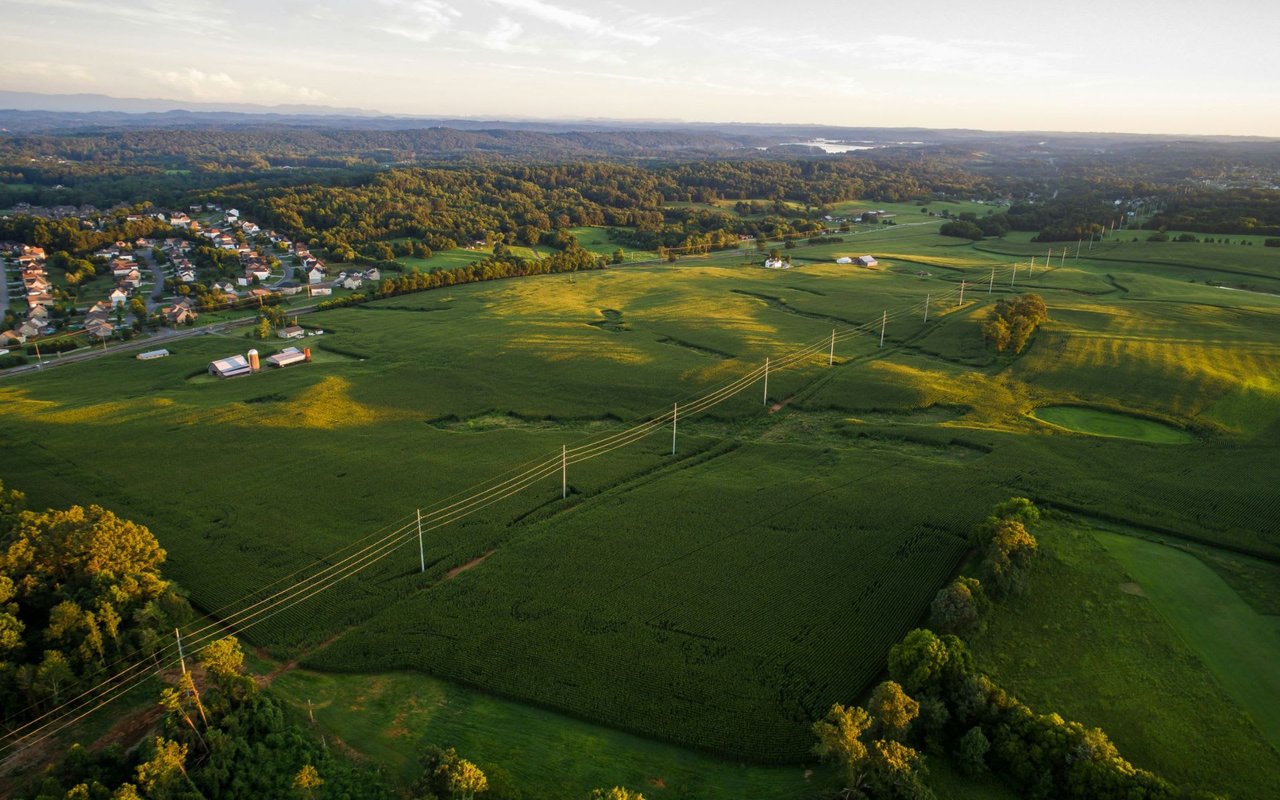
Tennessee National in Loudon is a gated lakefront community that offers a distinct lifestyle centered around the lake, golf, and community amenities. According to the official community website, it is located only minutes from Knoxville and features a Greg Norman Signature Golf Course, private marina, trails, clubhouse and social spaces, and 24-hour staffed security.
For out-of-state buyers, that combination can be especially appealing because it gives you more than a home search. You are evaluating how you want to live day to day. In Tennessee National, that often means comparing lakefront estates, golf course lots, and other homesites based on the setting that fits your goals.
Because the community is gated and visits are by appointment, it helps to treat your search like a guided project instead of a casual drive-around. The community also notes that inventory can change quickly and that some desirable homesites may sell before they appear online, which makes early planning even more important.
Start With a Clear Buying Strategy
If you are relocating from out of state, your first step is to get specific about what matters most. In Tennessee National, your decision may come down to factors like water access, slope, views, marina proximity, or whether you want a golf-oriented setting instead of a lake-oriented one.
This is where a local, concierge-minded process can save you time. Rather than trying to sort through every option remotely, you can focus on your top priorities first and use those to eliminate poor fits early.
A practical way to organize your search is to rank these items before your first tour:
- Preferred homesite type, such as lakefront, golf course, or inland
- Importance of boating access
- Desired relationship to the marina, clubhouse, and golf course
- Tolerance for slope or elevation change
- Interest in building versus buying an existing home
- Timing for your move or build
Why Lot Orientation Matters So Much
One of the biggest mistakes remote buyers can make is assuming every water-view property feels the same. It does not. Tennessee National sits on Watts Bar Reservoir, and the Tennessee Valley Authority says the reservoir stretches 72.4 miles, includes 722 miles of shoreline, and has more than 39,090 acres of water surface.
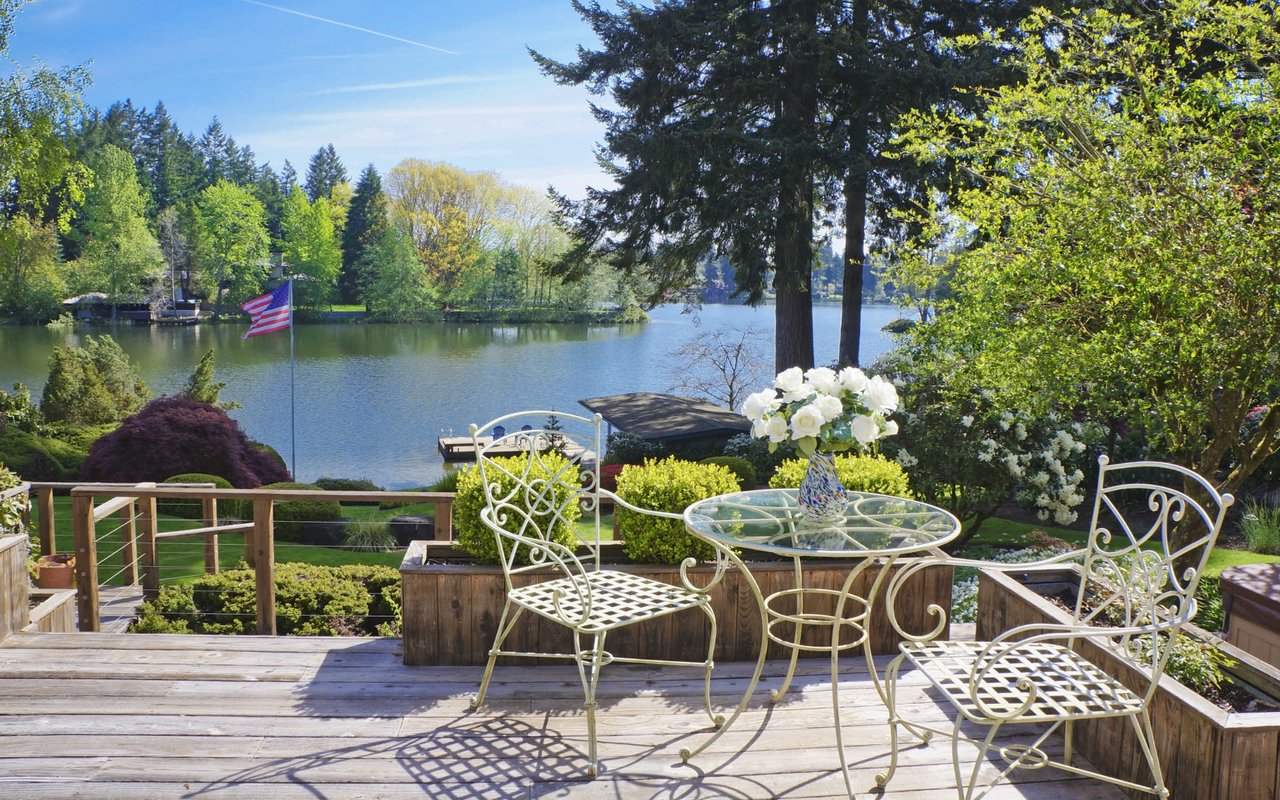
On a reservoir that large, lot orientation can change your daily experience. A homesite facing open water may feel very different from one tucked into a protected cove. A lot with more elevation may offer a broader view, while a lower or more wooded lot may create a different balance of privacy, access, and usability.
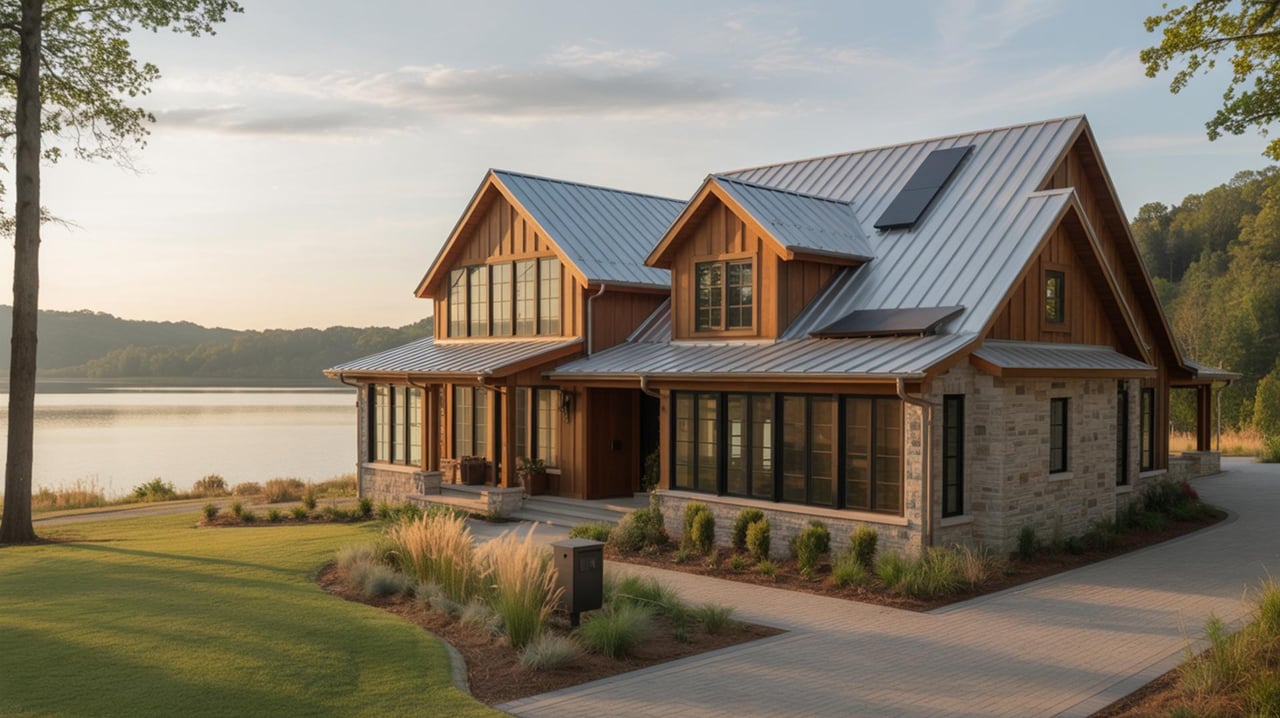
That is why Tennessee National is not a simple neighborhood-home search. The official site highlights lot types such as lakefront estates and golf course lots, so your purchase is often tied to the exact position and orientation of the property, not just the address.
What to Check on a Virtual Tour
If you cannot visit right away, your virtual tour needs to go beyond a quick video call. The most useful remote review should help you evaluate how the lot will actually function, not just how it looks in a listing photo.
Based on guidance from the University of Minnesota Extension on shoreland property, you should pay close attention to zoning, setbacks, permits, utilities, lot dimensions, survey lines, and erosion control. That guidance also supports the importance of understanding the building envelope and view preservation before you buy.
For a strong remote screening, ask for these details:
- The plat or survey
- Clear views of lot corners and boundaries
- The driveway approach
- The slope and grade of the homesite
- Existing tree cover
- Neighboring rooflines and nearby structures
- The view from where the main living area would likely sit
- The lot’s relationship to the marina, clubhouse, and golf course
These details can help you narrow the field before you spend time and money on travel.
Plan Your First Visit With Purpose
Once you have a shortlist, your first in-person trip should be efficient and focused. Because Tennessee National is gated and appointment-only, a planned visit is far more useful than a broad, open-ended stop.
A smart first-visit sequence is:
- Enter the community for your scheduled appointment
- Walk the lot or tour the property in person
- Review the slope, orientation, and views from key points
- Visit the marina if boating is part of your decision
- Tour the golf, clubhouse, and social areas
- Hold a same-day debrief with your agent or builder
This kind of structure helps you compare what you saw to what you expected from the virtual tour. It also helps you make use of a short trip, especially if you are flying in from another state.
Make Time for the Marina
If boating matters to you, do not leave the marina visit for later. The Tennessee National marina page lists long- and short-term slip rentals, daily boat rentals, fuel, pump-out service, a floating shipstore, kayak and paddleboard launch, an event pavilion, covered picnic space, and hours currently shown as Monday through Sunday from 10 a.m. to 4 p.m.
That visit can tell you a lot about how often you would realistically use the water. It also helps you understand how close you want to be to the marina and whether that convenience is worth prioritizing in your home or lot selection.
If a boat slip is part of your plan, ask early for the rules and cost details. Tennessee National’s boat-slip guide says buyers should confirm the slip ownership model, transferability, fees, size limits, and any community rules before committing to a property.
Know the Permit Process Before You Build
If you are buying a homesite with plans to build, you should understand the local process before you commit. In Loudon County, the residential building permit information says applicants may need an approved address, septic permit if applicable, driveway permit if applicable, a site plan, square-footage and story information, construction cost excluding the lot, contractor license, workers-compensation certificate, school facilities privilege tax paperwork, and owner acknowledgement and signature.
The county also states that half of the school facilities privilege tax must be paid before the permit is issued. That is an important detail for budgeting and timeline planning, especially if you are coordinating the process from another state.
Loudon County’s building codes page says the county enforces the 2012 editions of the International Building, Plumbing, Mechanical, and Residential Codes and performs periodic inspections. The county also uses a 24-hour inspection request line.
Understand the Inspection Timeline
Out-of-state buyers often feel most comfortable when they can see the build process in clear stages. Loudon County’s residential inspection guide outlines the sequence, including footings, slab on grade if applicable, rough-in framing, plumbing and mechanical, energy-efficiency, and final inspection.
The county says 24-hour notice is required for inspections, the permit must be visible from public roads, the site must be unlocked or accessible, and construction drawings must remain on site for the inspector. After final approval, the county issues a Certificate of Occupancy, and the structure may not be occupied before that certificate is obtained.
Electrical inspections are handled separately by state inspectors through the utility provider. If you are managing a build remotely, this is one more reason to have a process-oriented guide who can help you keep milestones, paperwork, and local coordination on track.
Review Covenants and Community Rules Early
Every amenity-rich community has its own rules, and it is best to review them before you get too far into the process. Tennessee National says protective covenants are in place to help maintain community value and character.
The community also says its team can handle permit acquisition, coordinate inspections, assign a personal project manager, and provide regular updates through online portals and mobile apps, as explained in its post about support when building at Tennessee National. Even with that support, you should still request and review HOA rules, covenants, and marina-related policies early so you understand how they may affect your plans.
This matters even more if you are buying from a distance. The earlier you understand the rules, the fewer surprises you are likely to face once you are under contract or preparing to build.
A Simple Remote-Buyer Workflow
When you are buying from another state, you do not need endless trips. You need a smart sequence. Based on the community’s appointment-only access, fast-moving inventory, and the local inspection process, a streamlined workflow often makes the most sense.
Here is a practical approach:
| Step |
Goal |
| Virtual screening call |
Narrow homesites or homes based on your priorities |
| First on-site visit |
Verify orientation, views, slope, and amenity access |
| Decision period |
Review rules, fees, permits, and next steps |
| Second trip if needed |
Final selection or key build milestone |
This kind of plan helps you avoid decision fatigue. It also keeps your focus on the details that matter most in a place like Tennessee National, where the exact lot and location can shape your whole experience.
How Concierge Guidance Helps
Out-of-state moves come with a lot of moving parts. You may be comparing lots by video, booking short trips, reviewing community documents, coordinating inspections, and managing timelines from hundreds of miles away.
That is exactly where a high-touch, educator-driven approach can make the process feel calmer and clearer. With local insight, steady communication, and concierge coordination, you can move from uncertainty to a well-organized plan that respects both your time and your investment.
If you are exploring Tennessee National from out of state, working with a local expert who understands relocation, new-construction decisions, and lot evaluation can make every step more efficient. To talk through your goals and build a smart plan for your search, connect with Liza Bryan Acheson.
FAQs
What should out-of-state buyers know about visiting Tennessee National?
- Tennessee National is gated and visits are by appointment, so it is best to plan a focused tour in advance and use your time to evaluate lots, amenities, and orientation carefully.
What should out-of-state buyers ask about a Tennessee National homesite?
- You should ask for the plat or survey, lot corners, slope, driveway approach, tree cover, likely view from the main living area, and the lot’s position relative to the marina, clubhouse, and golf course.
What should buyers know about boat slips in Tennessee National?
- If boating is important, ask early about the slip ownership model, transferability, fees, size limits, and any HOA or marina rules tied to the property.
What should buyers know about building permits in Loudon County, TN?
- Loudon County may require items such as an approved address, septic or driveway permits if applicable, a site plan, contractor information, tax paperwork, and partial payment of the school facilities privilege tax before issuing a residential permit.
What should buyers know about inspections for a new build in Loudon County?
- The county inspection process includes stages like footings, slab if applicable, rough-ins, energy-efficiency, and final inspection, and a home cannot be occupied until a Certificate of Occupancy is issued.
What is the best process for buying in Tennessee National from another state?
- A practical process is to start with a virtual screening call, use one focused on-site visit to confirm your top choices, and make a second trip only if needed for final selection or a build milestone.