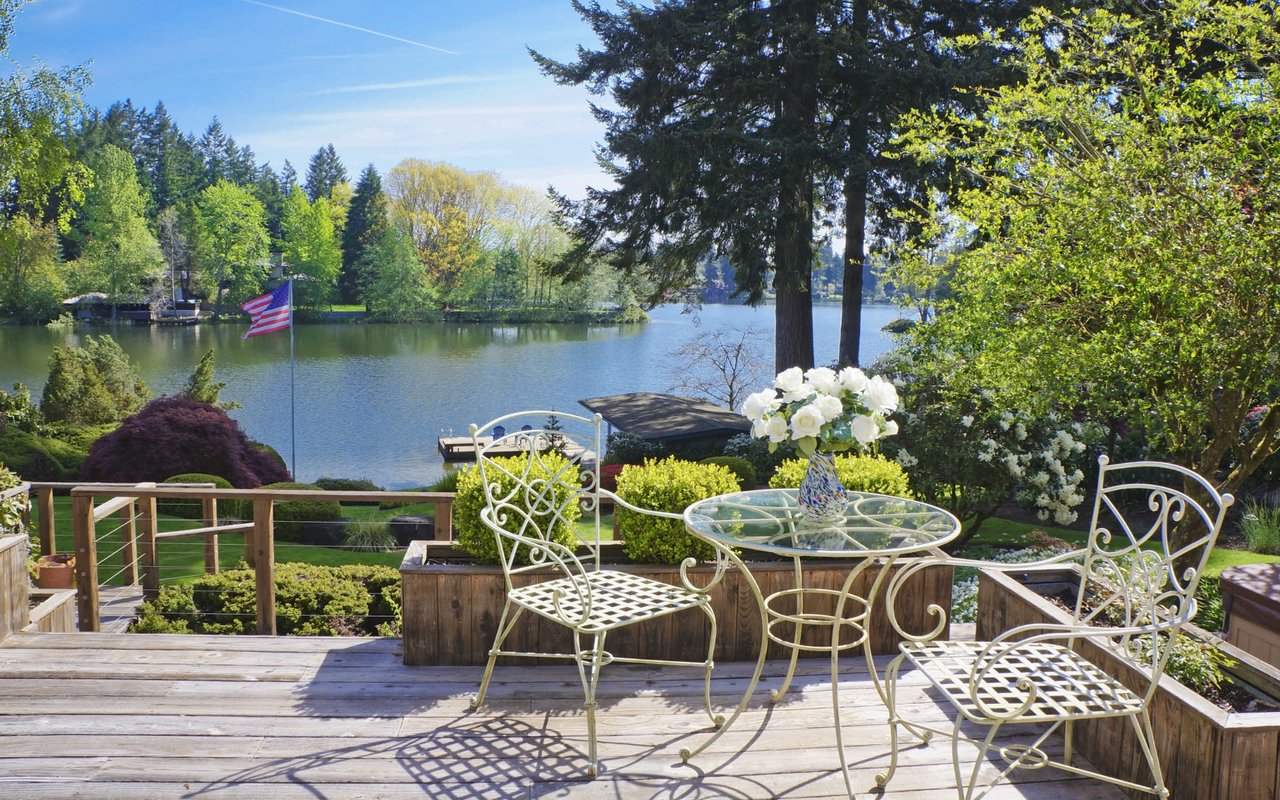
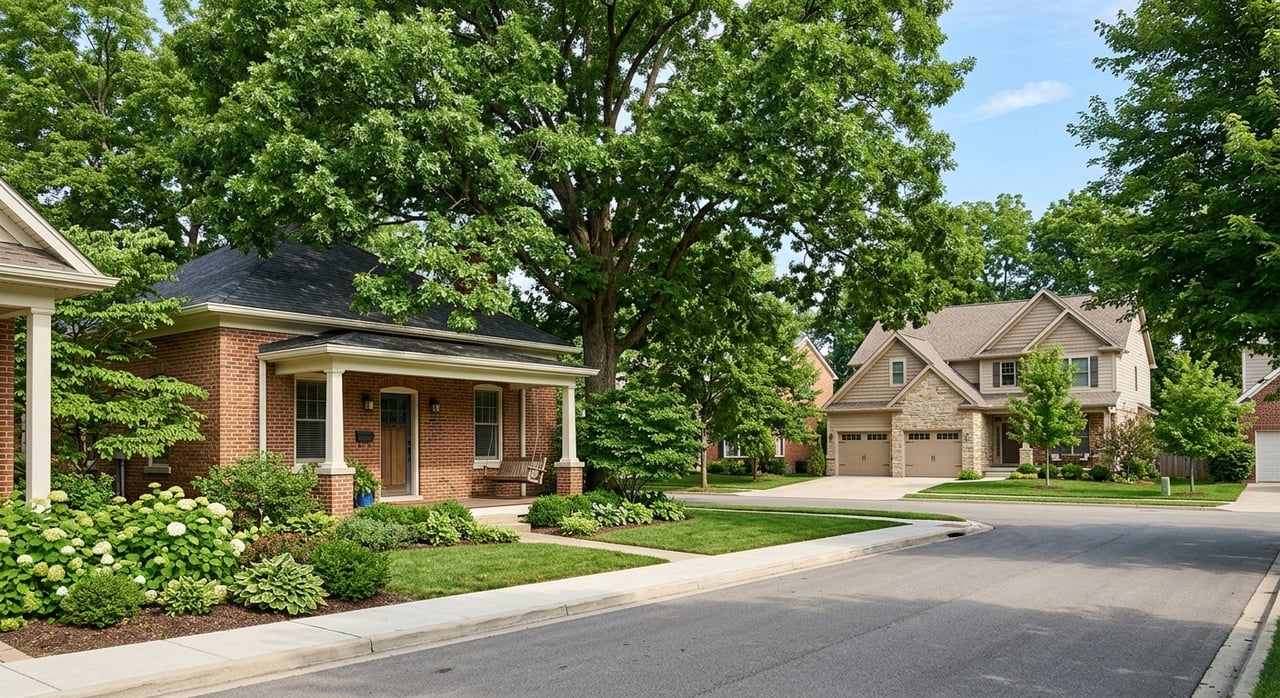
Trying to decide between a historic Maryville home and new construction? You are not alone. For many buyers, especially those relocating to East Tennessee or moving into a new season of life, the right choice comes down to more than square footage or finishes. It comes down to how you want to live, what kind of upkeep you are comfortable with, and how much process you want around future changes. This guide will help you compare both paths in Maryville so you can move forward with more confidence. Let’s dive in.
Maryville Gives You Two Very Different Paths
Maryville offers a useful mix of established in-town housing and newer residential development. The city had an estimated population of 32,442 in 2025, about 12,900 housing units, and a 67.5 percent owner-occupied rate. It also shows relatively low turnover, with just 9.7 percent of residents having moved since the previous year.
That matters because Maryville is not a place where one housing style dominates everything. You will find older homes tied to the city’s early development patterns, along with newer low-density residential options shaped by zoning and subdivision rules. For buyers, that creates a real choice between character and convenience.
What Historic Charm Looks Like in Maryville
Maryville’s downtown area largely developed in the late 1800s and early 1900s. The city’s Downtown Master Plan identifies several architectural styles connected to that era, including Colonial Revival, Italianate, Craftsman, Folk Victorian, and Greek Revival.
In practical terms, that means historic Maryville does not have just one look. Instead, you are often buying into older neighborhood fabric, mature streetscapes, and homes with details that are harder to duplicate in new construction. If you are drawn to original character, this can be a major part of the appeal.
The city’s planning framework also reinforces that historic identity. Maryville has an Historic Zoning Commission, a Downtown Design Review Board, subdivision regulations, and a Land Use Plan 2035. Those layers of oversight are important because they can shape what you are allowed to change after you buy.
College Hill and Oak Park Stand Out
If you want the clearest examples of historic housing in Maryville, College Hill and Oak Park are the strongest comparisons. In both districts, the city describes a large concentration of extant historic structures and notes that new construction has been limited there since the 1940s.
In College Hill, only very low-density single-family detached dwellings are allowed, and the minimum lot size is 14,000 square feet. In Oak Park, the pattern is similar, with single-family-only use and a 16,000-square-foot minimum lot size.
These are not just visual distinctions. They are highly regulated historic areas, which means your experience as an owner may be different from what you would expect in a newer subdivision.
Historic Homes Come With More Review
In College Hill, Historic Zoning Commission approval is required for exterior changes, additions, new construction, demolition, and many site elements. That can include windows, siding, porches, roof materials, HVAC placement, and solar panels.
Oak Park follows a similar process. The city requires Historic Zoning Commission review for exterior modifications before work begins.
If a property is in the downtown districts, the Downtown Design Review Board may also review conceptual plans for construction, alteration, repair, rehabilitation, relocation, or demolition. So if you are buying an older in-town home, it is smart to look beyond the home’s appearance and ask how future projects may be reviewed.
Why Buyers Love Historic Maryville Homes
For the right buyer, a historic home can offer a kind of value that has nothing to do with being brand new. You may get architectural personality, older lot patterns, and a setting that feels closely tied to Maryville’s long history.
The city’s planning department notes that Maryville has more than 250 alleys, some dating back 100 years or more. That detail may sound small, but it helps explain why some older in-town areas feel distinct from newer neighborhoods with more standardized street layouts.
If you enjoy period architecture and appreciate the feel of an established setting, historic homes can be especially compelling. They often appeal to buyers who see a home as both a lifestyle choice and a stewardship opportunity.
Where Historic Homes Can Be More Complex
The tradeoff is usually not charm itself. It is the process that comes with preserving it.
If you buy in a historic district, even relatively routine exterior projects may involve review and approval. That can affect your renovation timeline, your contractor planning, and the order in which you tackle updates.
Historic homes may also raise more questions during due diligence. Buyers often need to look closely at roofs, HVAC systems, windows, siding, plumbing, and electrical systems to understand what may need attention first.
For some buyers, that extra complexity is worth it. For others, especially those relocating from out of state or trying to minimize immediate repair risk, a newer home may feel easier to manage.
What New Construction Means in Maryville
Newer homes in Maryville are generally shaped more by zoning, lot standards, and subdivision approvals than by preservation review. That creates a different ownership experience from what you might see in historic districts.
In the city’s general Residential district, low-density site-built housing is the base use. Minimum lot size is 7,000 square feet when sanitary sewer is available, 30,000 square feet without sanitary sewer, and 35,000 square feet without sewer and public water.
Maryville also has an Estate zone intended for very low-density single-family detached housing. In that district, the city requires 1-acre minimum lots and at least 150 feet of width.
These standards matter because they help explain why newer areas may feel more predictable from lot to lot. Instead of a neighborhood shaped by decades of historic development, you are often looking at homes influenced by current platting and zoning rules.
Subdivision Review Shapes Newer Development
The city requires subdivision review for land within Maryville. The Planning Commission approves the subdivision of land, and approved preliminary plat and site plan approval are required before physical improvements can be made to a proposed subdivision. Final plat approval is required before property can be subdivided.
For buyers, that usually translates into a more standardized framework. Lot layouts, setbacks, and access patterns are often easier to compare across homes than they would be in older in-town areas.
That does not mean every new home feels the same. It does mean the decision often centers more on layout, finish level, lot size, and maintenance expectations than on historic restrictions.
Why Buyers Choose New Construction
For many buyers, the appeal of new construction is straightforward. You may have lower immediate repair risk, more predictable systems, and a site plan that feels easier to understand.
If you are moving from another state, downsizing into a simpler home, or balancing a busy schedule, that predictability can be a major advantage. A newer home may also be a better fit if you want fewer preservation-related constraints on exterior choices.
This path often works well for buyers who prioritize convenience over one-of-a-kind architectural detail. In that sense, the choice is less about right versus wrong and more about what kind of ownership experience suits you best.
How Commute and Daily Life Fit In
Maryville’s mean commute time is 23.3 minutes, which is slightly below the Knoxville metro average of 24.4 minutes. That supports the idea that many buyers can look at Maryville through a regional lens rather than focusing only on raw mileage.
Still, route reliability and daily convenience matter. A home that looks perfect on paper may feel very different once you think through your regular drive, errands, and daily routine.
This is especially important for relocation buyers who may know map distances but not local traffic patterns. In many cases, the better question is not “How far is it?” but “How will this location work for everyday life?”
Questions to Ask at a Maryville Showing
Whether you prefer an older home or a newer one, asking the right questions can save time and stress later. In Maryville, a few local details deserve special attention.
Questions for Historic or In-Town Homes
- Is the property in College Hill, Oak Park, downtown, or another area with special review rules?
- If exterior work has been done, was it approved by the Historic Zoning Commission or Downtown Design Review Board?
- What systems appear oldest and most likely to need replacement first?
- Does the property have alley access, and how does that affect parking or driveway use?
Questions for New Construction or Newer Homes
- What is the actual lot size, width, and setback pattern?
- What subdivision approvals, plats, or site-plan steps were required?
- Are there features of the site layout that affect future additions or exterior changes?
- How does the drive work for your typical daily routine, not just on a map?
Historic Charm or New Construction: Which Is Better?
In Maryville, this is rarely a simple old-versus-new debate. The better comparison is between historically regulated in-town neighborhoods with strong period character and newer low-density residential areas with more standardized lot patterns and fewer preservation constraints.
A historic home may be the right fit if you value architecture, established neighborhood fabric, and the feel of an older in-town setting. A newer home may make more sense if you want a simpler maintenance picture, more predictable planning standards, and fewer review-related surprises.
The best choice is the one that fits your comfort level, timeline, and long-term goals. When you understand how Maryville’s planning rules shape each option, you can make that decision with much more clarity.
If you are comparing homes in Maryville and want a calm, high-touch guide through the process, Liza Bryan Acheson can help you evaluate location, property condition, and long-term fit with a concierge approach that makes your move feel more manageable.
FAQs
What makes historic homes in Maryville different from newer homes?
- Historic Maryville homes are often tied to older neighborhood development patterns and may be subject to review by the Historic Zoning Commission or Downtown Design Review Board, while newer homes are generally shaped more by zoning and subdivision standards.
What should buyers know about College Hill in Maryville?
- College Hill has one of Maryville’s largest concentrations of historic structures, allows very low-density single-family detached homes, requires a 14,000-square-foot minimum lot size, and has review rules for many exterior changes.
What should buyers know about Oak Park in Maryville?
- Oak Park is another historic district with a large concentration of historic structures, limited new construction since the 1940s, single-family-only use, a 16,000-square-foot minimum lot size, and required review for exterior modifications.
Are newer subdivisions in Maryville easier to compare?
- In many cases, yes. Newer subdivisions are typically easier to compare based on lot size, setbacks, and maintenance expectations because they are shaped more by platting and zoning standards than by preservation review.
How long is the average commute in Maryville, Tennessee?
- Maryville’s mean commute time is 23.3 minutes, which suggests many buyers can consider the city as part of a broader regional lifestyle and commute decision.
What should relocation buyers ask when touring Maryville homes?
- Relocation buyers should ask whether a home is in an area with special review rules, whether past exterior work was properly approved, what major systems may need replacement, what the lot layout allows, and how the daily commute route works in practice.