Wondering whether a downtown Knoxville condo is the right move for your lifestyle, your investment goals, or both? You are not alone. Condo buyers in downtown Knoxville often love the walkable setting and low-maintenance appeal, but they also need to look closely at building rules, dues, taxes, and long-term costs. This guide will help you weigh the pros, tradeoffs, and due diligence steps so you can make a confident decision. Let’s dive in.
Why Downtown Knoxville Condos Stand Out
Downtown Knoxville is compact, active, and very building-specific. The district covers less than one square mile and includes areas such as Gay Street, Market Square, Old City, Volunteer Landing, and World’s Fair Park. That means your condo search is often less about picking a general area and more about choosing the right building.
The official downtown directory lists 56 properties, which points to a relatively small and varied housing stock. You may see historic adaptive-reuse buildings, newer infill projects, loft-style homes, and mid-rise condos with different features, layouts, and ownership structures. In a market like this, one building can offer a very different experience from the next.
Examples in the downtown inventory include Holston Condominiums, Sterchi Lofts, Gallery Lofts, Crown Court Condominiums, Emporium Lofts, and The Overlook. The Overlook is described as a 10-unit condo building completed in late 2020 with walkable access to UT, the waterfront, and Market Square. That kind of range is part of what makes downtown condo shopping interesting, but it also makes research essential.
What the Downtown Condo Market Looks Like
Current market snapshots suggest downtown Knoxville condos sell at a premium compared with the broader Knoxville market. One current snapshot shows 69 condos for sale, a median listing price of $689,000, and a median market time of 112 days. It also gives downtown a Walk Score of 82, which supports its strong appeal for buyers who want convenience and less dependence on a car.
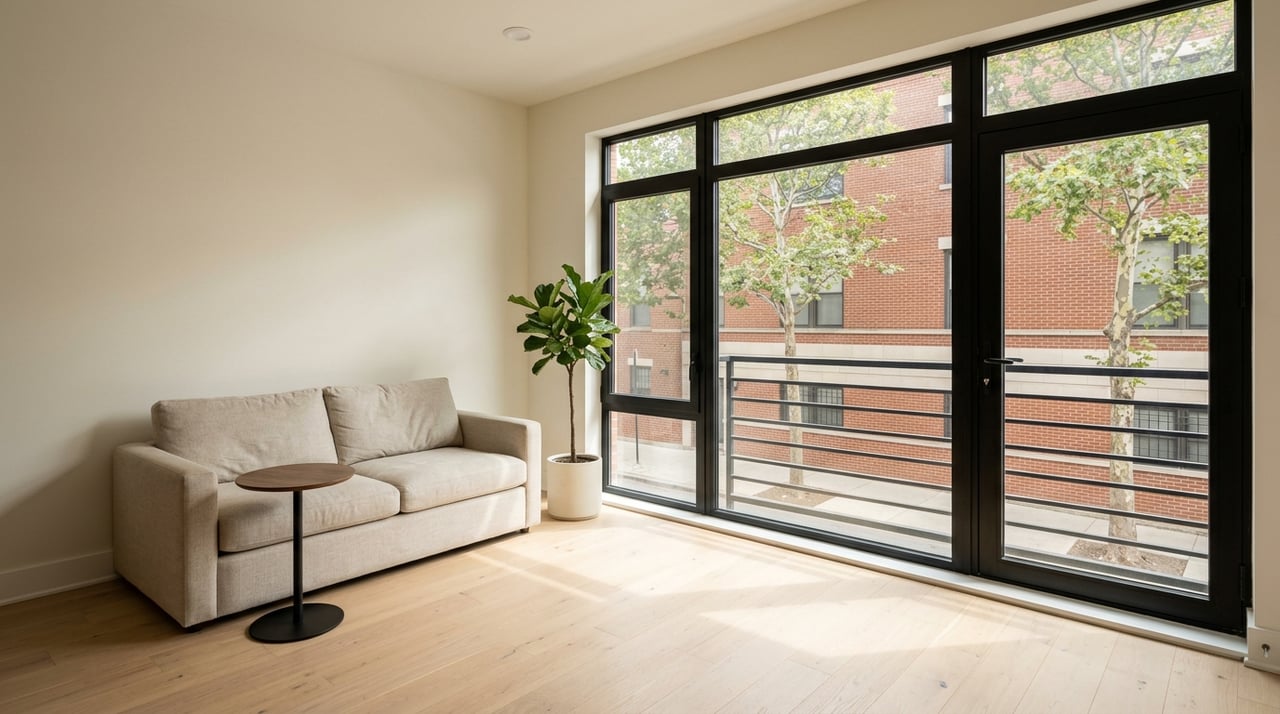
The condo stock itself is diverse. Some homes are converted industrial lofts with exposed brick and large windows, while others are newer condos with features like garage parking and fitness centers. Typical two-bedroom pricing has been described around $500,000 to $530,000, while larger penthouses may range from $800,000 to $1 million.
By comparison, Knox County’s median home sale price was $382,500 in the Knoxville Chamber’s November 2025 market report. That gap does not automatically mean downtown condos are overpriced. It simply means you are often paying a premium for location, walkability, building style, and a lower-maintenance ownership model.
Lifestyle Benefits of Buying Downtown
For many buyers, downtown Knoxville condo living is first about lifestyle. The area is designed for car-light living, and the downtown guide notes that it is easy to navigate by foot, bike, scooter, or trolley. If you value being close to dining, events, public spaces, and the waterfront, downtown can be a very practical fit.
The city also supports the district with services that help keep the area functioning smoothly. Downtown public-service crews handle trash pickup, street sweeping, nighttime maintenance, and Market Square cleaning during busy hours. The city’s parking pages also note free garage parking after 6 p.m. on weekdays and all day on weekends, except during special events.
That convenience can be especially attractive if you want a lock-and-leave home base. Many buyers like the idea of less exterior upkeep and easier day-to-day living. If you are relocating from out of town or simplifying your housing needs, that low-maintenance structure may feel like a strong advantage.
Investment Potential Starts With the Building
If you are buying for investment, downtown Knoxville condos can be appealing, but the numbers need to work on a building-by-building basis. Because the downtown market is small and varied, there is no single formula that fits every property. Rental structure, dues, parking costs, and rules can differ widely.
The downtown directory includes both purchase and rental property listings, which suggests ownership patterns vary across the district. For that reason, conservative underwriting matters. A condo that looks strong on paper can become less attractive if monthly dues are high, parking is separate, or special assessments are likely.
A smart investor should make sure projected rent can support major carrying costs without depending on aggressive appreciation. That means looking carefully at taxes, HOA dues, insurance, parking, and any special assessments. The more realistic your numbers are upfront, the fewer surprises you face later.
Condo Ownership Comes With Rules and Shared Costs
A downtown condo is not just a home purchase. It is also entry into an ownership structure governed by an association. Under Tennessee condominium law, the association generally has authority to adopt rules, set budgets and reserves, collect common-expense assessments, hire management, and regulate common elements.
In most cases, the association is responsible for maintaining, repairing, and replacing common elements, while you are responsible for the unit itself. That division can be a real benefit if you want less hands-on exterior maintenance. Still, it also means your monthly fee is a core part of ownership, not an optional extra.
This rules-driven structure is one of the main differences between buying a condo and buying a detached home. If you are drawn to downtown for convenience, that tradeoff may be worth it. The key is understanding exactly what the association controls before you buy.
HOA Documents You Should Review Early
One of the most important steps in a downtown condo purchase is getting the association information packet as early as possible. Tennessee law requires the association to provide requested information within 10 business days and allows a reasonable fee for that packet. Waiting too long to request it can slow down your due diligence.
The packet should include core documents and financial details that affect your ownership costs and use of the property. This includes the declaration and bylaws, current rules, the most recent budget and reserve information, the current monthly assessment, any special assessments, transfer fees, amenity fees, insurance coverage details, and any unsatisfied judgments or pending suits. Those details matter whether you plan to live in the condo full time or hold it as an investment.
Here are the key items to review closely:
- Leasing rules
- Pet rules
- Parking terms
- Storage access
- Renovation limits
- Monthly HOA dues
- Reserve funding
- Special assessments
- Insurance coverage
- Pending litigation
- Whether the board is still under developer control
These documents can tell you a lot about the financial health and day-to-day function of a building. They can also help you spot restrictions that may affect your plans for the property.
Carrying Costs to Budget For
When buyers compare downtown condos, the purchase price is only part of the picture. Your real monthly and annual cost of ownership also includes property taxes, HOA dues, insurance, parking or storage fees, and possible assessments. In some buildings, amenity fees may also apply.
Knoxville property owners pay both city and county taxes. The city tax rate is $2.1556 per $100 of assessed value, and the county tax rate is $1.5540 per $100 of assessed value. Residential property is assessed at 25 percent of appraised value.
Using those rates, a $500,000 condo would carry about $4,637 in annual city-plus-county property taxes. A $689,000 condo would carry about $6,390 annually, before HOA dues, insurance, and any special assessment. City taxes are due October 1, become delinquent March 1, and the city offers a 1 percent discount for full payment by the end of October.
Because tax liability follows the property, it is also important to confirm prorations at closing and make sure any unpaid taxes are cleared. This is a simple step, but it matters. Carrying costs can shift your comfort level quickly if you do not map them out in advance.
Why Special Assessments Matter
Special assessments deserve extra attention in condo purchases. Tennessee law allows associations to collect common-expense assessments, and unpaid assessments are backed by a lien on the unit. Those liens can be enforced against the property, which makes delinquency history and reserve strength important issues to review before closing.
For a buyer, this means you should not look at monthly dues alone. A building with lower dues may still present risk if reserves are weak or major repairs are looming. On the other hand, a building with solid reserves and transparent budgeting may support more stable long-term ownership, even if dues are somewhat higher.
This is where careful document review pays off. You want to know not only what you owe now, but also what the building may require from owners in the future.
How to Decide if It Fits Your Goals
If you are buying for lifestyle, focus on how you want to live day to day. Do you want walkability, easier upkeep, access to downtown amenities, and a home that is simple to lock and leave? If so, a downtown Knoxville condo may line up well with your priorities.
If you are buying as an investment, your approach should be more numbers-driven. Compare several buildings, study the association packet, and test the unit’s rent potential against all carrying costs. It is wise to underwrite conservatively and make sure the property works without relying on best-case scenarios.
In many cases, buyers are balancing both goals. You may want a home that supports your lifestyle now while also making sense as a long-term asset. That is often possible downtown, but it depends on choosing the right unit in the right building at the right cost structure.
A condo purchase in downtown Knoxville can be exciting, but it should also be deliberate. Building rules, fees, reserves, taxes, and location all shape your ownership experience. When you take the time to evaluate both the lifestyle benefits and the financial realities, you put yourself in a much stronger position to buy well.
If you are considering a downtown Knoxville condo and want a clear, low-stress path forward, Liza Bryan Acheson offers concierge-level guidance for local and relocating buyers who want expert help comparing buildings, reviewing the big-picture costs, and making a confident move.
FAQs
What makes downtown Knoxville condos different from other Knoxville homes?
- Downtown Knoxville condos are part of a small, varied housing stock where the building often matters as much as the location. Buyers are usually choosing among specific buildings with different rules, features, and cost structures rather than shopping a broad, similar condo market.
What should you review before buying a downtown Knoxville condo?
- You should review the association packet early, including the declaration, bylaws, current rules, budget, reserve information, monthly dues, special assessments, transfer fees, amenity fees, insurance details, and any pending litigation or unsatisfied judgments.
How much are property taxes on a downtown Knoxville condo?
- Based on current Knoxville city and Knox County rates, a $500,000 condo would carry about $4,637 in annual city-plus-county property taxes, and a $689,000 condo would carry about $6,390, before HOA dues, insurance, and any special assessments.
Are downtown Knoxville condos good for investment buyers?
- They can be, but the investment case depends heavily on the individual building. You should compare rent potential with taxes, HOA dues, insurance, parking costs, and possible special assessments, and avoid relying on overly optimistic appreciation.
Is downtown Knoxville a good fit for a walkable condo lifestyle?
- Downtown Knoxville can be a strong fit if you want walkability, easier maintenance, and access to restaurants, events, and public spaces. The district is less than one square mile and is designed to be easy to navigate by foot, bike, scooter, or trolley.